


YOUR PARTNER IN THE U.S.🇺🇸
HURRICANE 3X CAPITAL
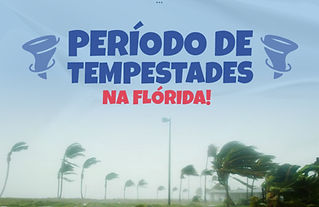
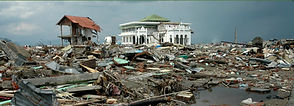
Hurricanes are dangerous and can cause great damage through storm surge, winds, rip currents and flooding. They can occur on any coastline in the US or in any territory in the Atlantic or Pacific Oceans. Historically, storm surge is the leading cause of hurricane-related deaths in the United States.
Hurricane season begins in Florida in June and lasts until November. This is the official calendar for the season, although the US meteorological services have recorded hurricane activity outside the season, it is important to pay attention to warnings from authorities.
The Saffir-Simpson scale measures the intensity of hurricane winds, which allows an estimate of the risks and potential damage of a given hurricane. The categories are defined by the speed of sustained winds (speed maintained for 1 minute).
Saffir-Simpson scale categories:
* Category 1 – Winds between 119 and 153 km/h. No damage or casualties
* Category 2 – Winds between 154 and 177 km/h. Some damage and power outages
* Category 3 – Winds between 178 and 209 km/h. Considerable damage, possible flooding
* Category 4 – Winds between 210 and 249 km/h. Extensive damage, flooding, possible casualties
* Category 5 – Winds above 249 km/h. Destruction, major flooding, risk of death
Preparing for hurricane season begins long before a storm is even in sight, providing the perfect opportunity to review hurricane safety supplies, plans, and best practices.
3X CAPITAL’s Hurricane Management team is dedicated to keeping your property stable and safe during a hurricane.
Eastern Pacific Hurricane
may/15 to November/30
Atlantic Hurricane
June/15 to November/30
Central Pacific Hurricane
may/1 to November/30
Stay Informed
Pay attention to emergency information and alerts
Dealing with the Weather
Establish the best way to protect yourself from strong winds and flooding. Have your family emergency plan.

HURRICANE MANAGEMENT IN ORLANDO


TECHNICAL ANALYSIS

STRENGTHEN YOUR HOME
EMERGENCY PLAN
Count on one of our professionals for a technical inspection of your property with risk analysis to assets and life.
De-clutter drains and gutters, bring
Strengthen your Home in outside furniture, and consider hurricane shutters.
Make sure everyone in your family knows and understands your hurricane plan.



Know Your Hurricane Risk
Hurricanes are not just a coastal problem. Find out how rain, wind, water and even tornadoes could happen far inland from where a hurricane or tropical storm makes landfall.
Make an Emergency Plan
Make sure everyone in your household knows and understands your hurricane plans. Include the office, kids’ day care, and anywhere else you frequent in your hurricane plans. Ensure your business has a continuity plan to continue operating when disaster strikes.
Know your Evacuation Zone
You may have to evacuate quickly due to a hurricane if you live in an evacuation zone. Learn your evacuation routes, practice with your household and pets, and identify where you will stay. Follow the instructions from local emergency managers, who work closely with state, local, tribal, and territorial agencies and partners. They will provide the latest recommendations based on the threat to your community and appropriate safety measures.
Recognize Warnings and Alerts
Have several ways to receive alerts. Download the FEMA app and receive real-time alerts from the National Weather Service for up to five locations nationwide. Sign up for community alerts in your area and be aware of the Emergency Alert System (EAS) and Wireless Emergency Alert (WEA), which require no sign up.
Those with Disabilities
Identify if you may need additional help during an emergency if you or anyone else in your household is an individual with a disability.
Review Important Documents
Make sure your insurance policies and personal documents, such as ID, are up to date. Make copies and keep them in a secure password-protected digital space.
Strengthen your Home
De-clutter drains and gutters, bring in outside furniture, and consider hurricane shutters.
Get Tech Ready
Keep your cell phone charged when you know a hurricane is in the forecast and purchase backup charging devices to power electronics.
Help your Neighborhood
Check with neighbors, senior adults, or those who may need additional help securing hurricane plans to see how you can be of assistance to others
Gather Supplies
Have enough supplies for your household, include medication, disinfectant supplies and pet supplies in your go bag or car trunk. You may not have access to these supplies for days or even weeks after a hurricane.